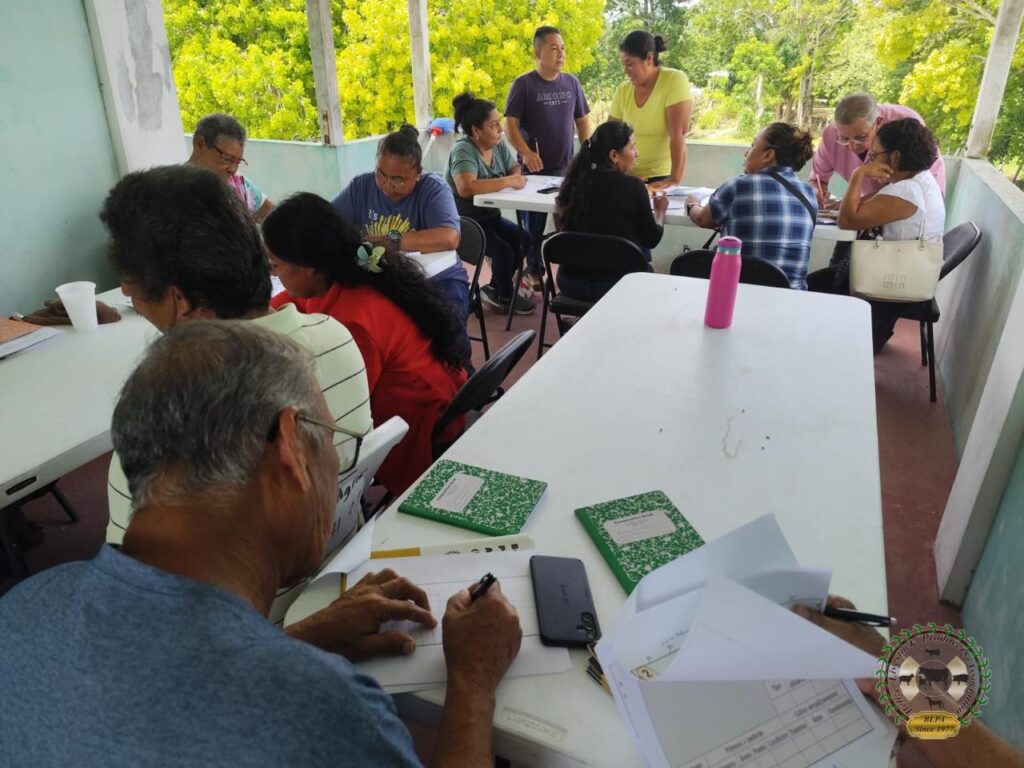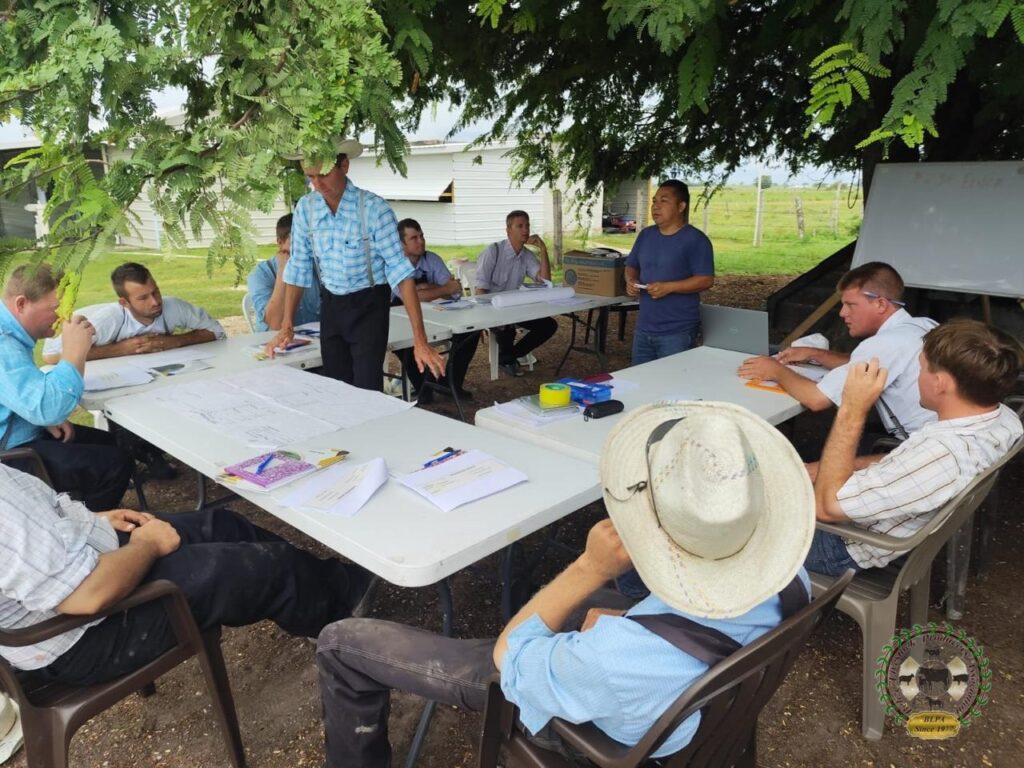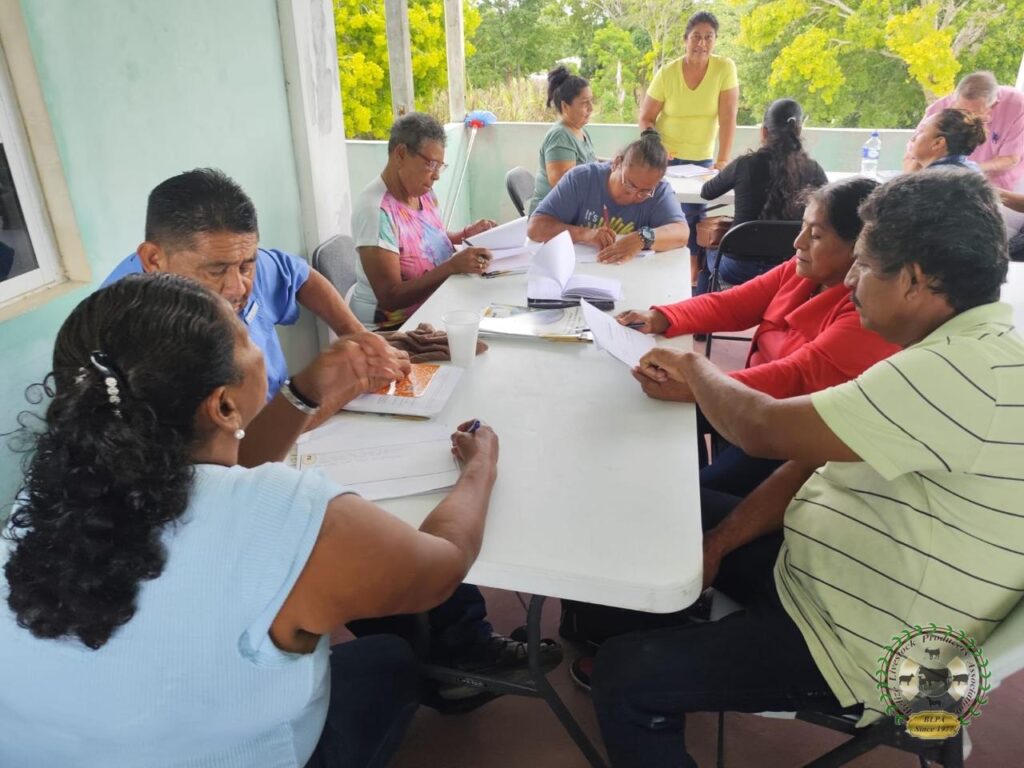
The Belize Livestock Producers’ Association (BLPA) has officially kicked off its Farmer Field School (FFS) sessions in the Orange Walk District under the project “Enhancing Small Scale Livestock Farmers’ Resilience through Silvo-Pastoral Systems and Voisin Methodology.”
The first of the four-part training sessions was held in Yo Creek on September 26, 2026, with 23 cattle farmers participating. A second session followed in Shipyard on October 3, 2026, bringing together 10 farmers for practical, hands-on learning focused on strengthening farm resilience and improving livestock production.
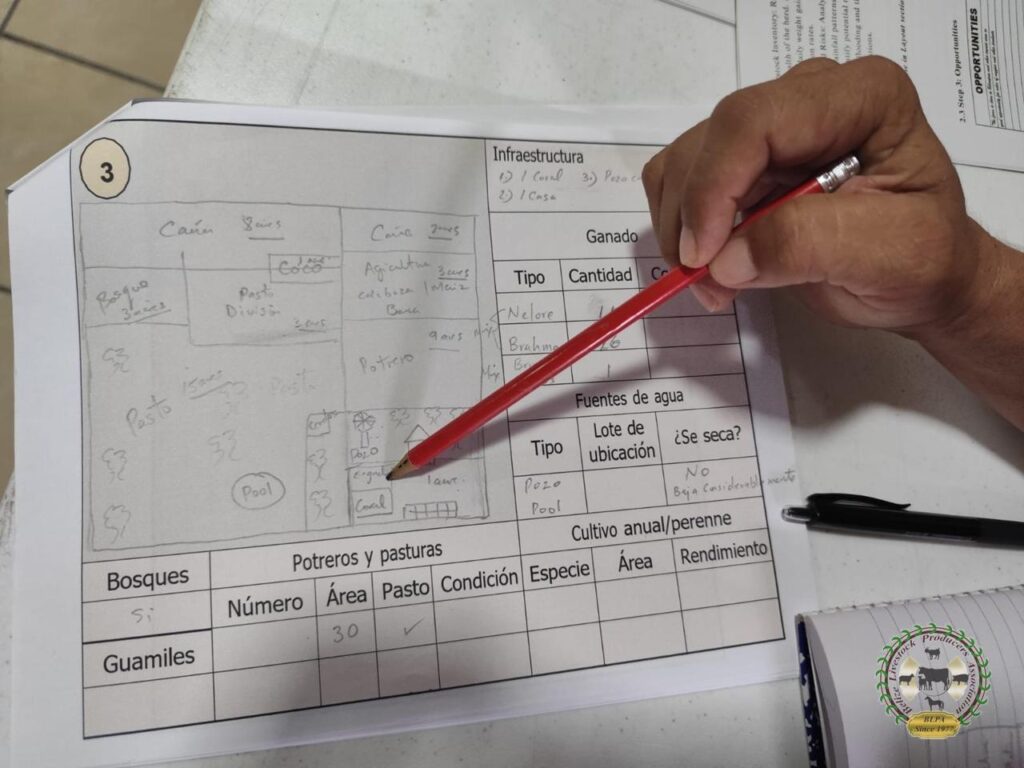
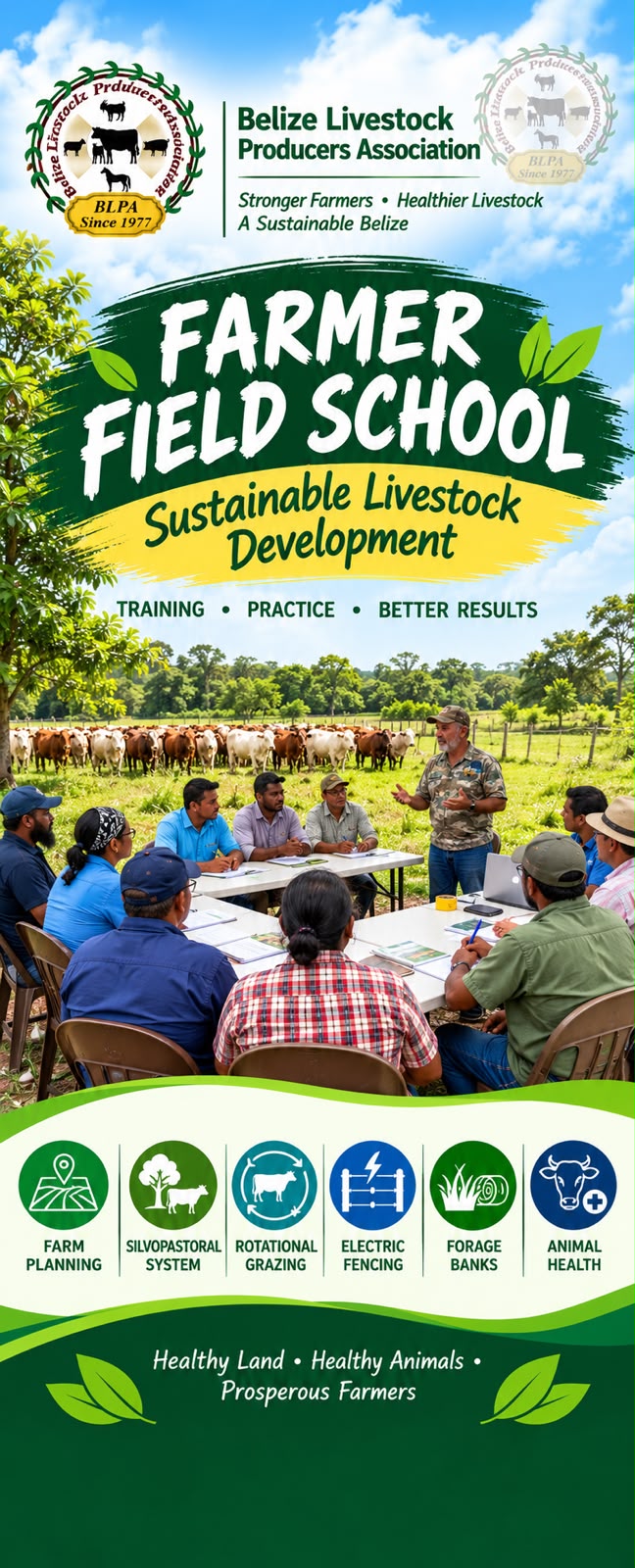
The sessions are designed around farmer-centered, practical learning, beginning with baseline assessments and farm planning and progressing into key sustainable livestock practices, including silvopastoral systems, electric fencing, rotational grazing, forage banks, and animal health. Through on-farm demonstrations, group exercises, exchange visits, and farmer-to-farmer learning, participants are gaining practical knowledge that can be applied directly to their own farms.
The Farmer Field School approach emphasizes learning by doing, enabling farmers to evaluate their current practices, develop practical farm improvement plans, and explore more sustainable approaches to livestock production. The initiative aims to strengthen the resilience of small-scale cattle farmers while promoting healthier soils, improved pasture management, better animal performance, and more climate-resilient farming systems.
BLPA continues to support Belizean cattle farmers through practical training, innovation, and knowledge sharing—building stronger farmers, healthier livestock, and a more sustainable livestock sector.
The selection criteria for participating farmers were their status as registered-active BLPA members, using and managing 50 acre or less of land for cattle production, rearing 50 heads or less of cattle and demonstrate an interest in transition from traditional cattle production to more sustainable practices.